 Larkspur Edit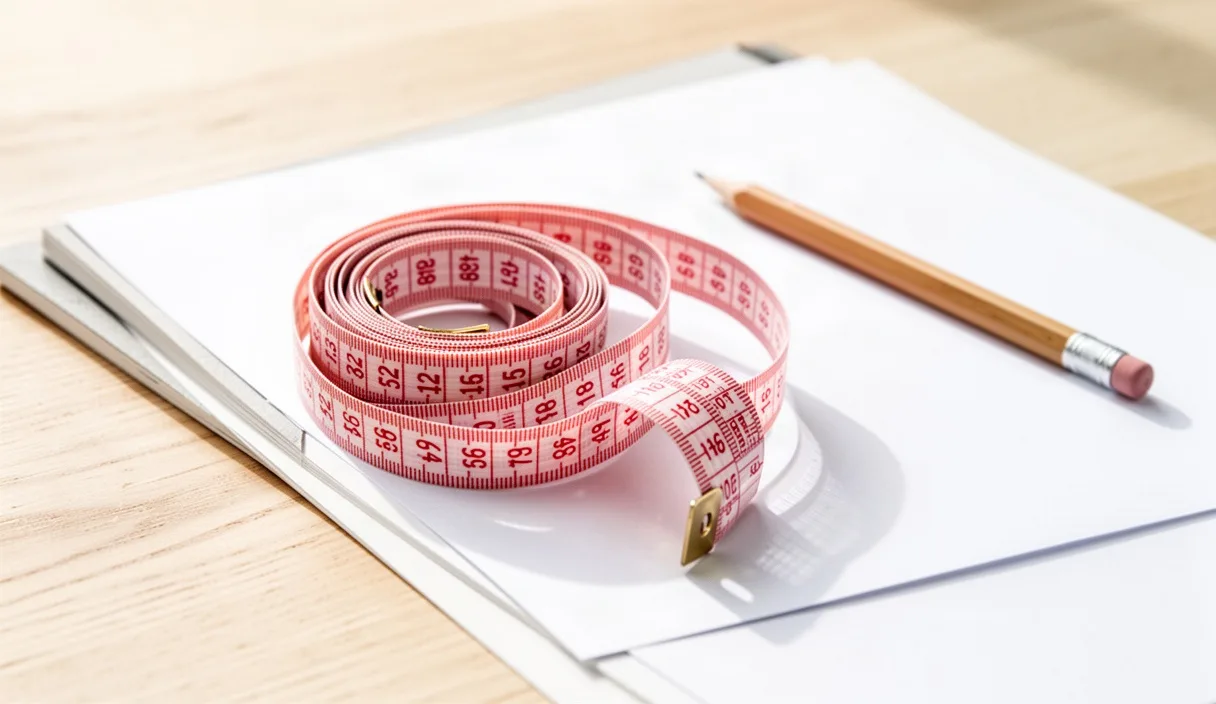

We've all been there: you order a "medium" from three different stores and end up with three completely different fits. One blouse is snug through the shoulders, another hangs loose at the waist, and the third just sits wrong no matter how you adjust it. The problem usually isn't the brand, it's that sizing charts are inconsistent, and the only way around that mess is knowing your own body's actual measurements in inches or centimeters, not the letter on a tag.
This guide walks you through the exact process we use ourselves before buying anything online: what to grab before you start, how to measure each part of your body correctly, and what to do when your numbers land between two sizes. It takes about ten minutes, and once you've done it, you'll have a reference you can use for every online order going forward.
Why Measuring Yourself Beats Guessing Your Size
Clothing sizes aren't standardized across brands. A size 10 at one retailer might match a size 6 at another, because each company builds its own size chart based on its own fit model and target customer. That's why relying on "the size you usually wear" leads to so many returns.
Your body measurements, on the other hand, don't change depending on who made the garment. A 36-inch chest is a 36-inch chest whether you're shopping at a department store or a small online boutique. When you compare your actual numbers to a brand's size chart, you remove the guesswork entirely and can usually predict the fit before the package even arrives.
There's also a practical money angle here. Return shipping isn't always free, and some online stores charge a restocking fee or only offer store credit. Spending ten minutes with a tape measure now can save you the hassle of repackaging a sweater and waiting two weeks for a refund.
Tools You Need and How to Get Ready
You only need a few things, and most of them are probably already in your house. A soft fabric tape measure works best, the kind tailors use, because it bends around curves without digging in. If you only have a stiff metal one, that's fine too, just be extra careful not to let it pinch at the hips or bust.
Here's what to gather before you start:
- A fabric tape measure (or a piece of string and a ruler as backup)
- A mirror, or a second person to help you measure
- Well-fitting underwear or snug clothing, not a bulky sweater or jeans
- A notepad or your phone to jot down numbers immediately
Measure in your underwear or in thin, fitted clothing like a t-shirt and leggings. Bulky clothing adds inches you don't actually have, and that throws off every number that follows. If you can, ask someone else to help, since it's hard to measure your own back or shoulder width accurately while twisting around in front of a mirror.
How to Measure Chest, Waist and Hips Correctly
These three measurements form the backbone of nearly every size chart you'll encounter, whether you're buying a dress, a coat, or a pair of tailored trousers. Getting them right matters more than any other step in this process.
Chest or Bust
Wrap the tape measure around the fullest part of your chest, usually right across the nipple line, keeping the tape level and parallel to the floor. Don't pull it tight, just snug enough that it stays in place. Breathe normally and take the reading after a regular exhale, not while holding your breath.
Waist
Your natural waist is usually the narrowest part of your torso, roughly an inch above your belly button. Bend slightly to one side, and the crease that forms is typically right where your natural waistline sits. Wrap the tape there, keep it level, and don't cinch it in. A lot of people measure too low, closer to where pants sit, which gives a number that won't match a brand's actual waist chart.
Hips
Stand with your feet together and measure around the widest part of your hips and buttocks, which is usually about 8 inches below your natural waist for most body types. Keep the tape parallel to the floor all the way around, since it's easy for it to drift upward in the back without a mirror or helper.
| Measurement | Where to Place Tape | Common Error |
|---|---|---|
| Chest/Bust | Fullest point, level around back | Pulling tape too tight |
| Waist | Natural crease above navel | Measuring at pant line instead |
| Hips | Widest point, about 8 in. below waist | Tape drifting up in back |
Measuring Inseam and Shoulder Width
These two measurements get skipped more often than they should, but they're the difference between pants that puddle at your ankles and a jacket that pulls across your back.
For inseam, grab a pair of pants that already fit you well and lay them flat on a table. Measure from the crotch seam down to the bottom hem along the inside leg. If you'd rather measure your body directly, stand with your legs slightly apart and measure from your crotch straight down to the floor, keeping the tape flush against your inner leg. Most adult inseams fall between 28 and 34 inches, though this varies a lot by height.
Shoulder width is trickier to self-measure, so ask someone to help if possible. With your arms relaxed at your sides, have them measure from the edge of one shoulder bone, where it starts to curve down toward the arm, straight across your upper back to the same point on the other shoulder. This number matters most for blazers, coats, and fitted button-down shirts, where a shoulder seam that sits too wide or too narrow is hard to fix with tailoring later.
If you're buying outerwear, add shoulder width to your measurement list even if the brand doesn't ask for it specifically. Comparing it against reviews or a size chart's "across back" number, when available, can help you catch a boxy or overly fitted cut before you order.
Keeping a Personal Size Card for Online Shopping
Once you've got all five numbers, write them down somewhere you'll actually find again, not a sticky note that'll end up in the recycling bin by next week. We recommend keeping a simple card in your phone's notes app or a small card in your wallet.
A basic version looks like this:
- Chest/Bust: 38 in.
- Waist: 31 in.
- Hips: 40 in.
- Inseam: 30 in.
- Shoulder width: 17.5 in.
Update this card every six months to a year, since bodies shift gradually from weight changes, muscle gain, or just aging, and a measurement taken two years ago may no longer be accurate. Some people also keep a second line for "comfortable fit" versus "snug fit" preferences, noting that they prefer to size up in knitwear but size true in woven cotton shirts, for example.
What to Do When Your Measurements Fall Between Sizes
This happens constantly, and it's rarely a sign that something's wrong with your body, it's just how size charts are built with gaps. If your waist measurement sits exactly between a size 8 and a size 10, for instance, the fabric and cut of the garment should guide your decision.
For stretchy fabrics like jersey knits, cotton blends with spandex, or ribbed material, size down, since the fabric will stretch to accommodate the larger number comfortably. For rigid fabrics like denim, structured cotton, or tailored wool, size up instead, because there's little give and a snug fit now often means an uncomfortable fit after a few wears or washes.
Check the brand's actual size chart rather than assuming their small, medium, large labels match another store's. Many retailers list specific chest, waist, and hip ranges for each size, and some even note the model's measurements alongside the size they're wearing in photos, which gives you another point of comparison.
When a brand offers both regular and petite, tall, or plus categories, your inseam and shoulder measurements usually matter more than the standard size number. A petite cut with a 29-inch inseam might fit you far better than a regular cut in the same waist size, even if the waist and hip numbers are identical on paper.
Common Mistakes
A few errors come up again and again, even among people who've measured themselves before:
- Measuring over bulky clothing, which adds false inches to every number
- Pulling the tape too tight, which shrinks your chest and waist measurements artificially
- Measuring waist too low, closer to the hip bone instead of the natural waistline
- Forgetting to recheck measurements after major weight changes or a year or more of no updates
- Ignoring the brand's specific size chart and relying on memory of "usual" size instead
Next Steps
Grab a tape measure this week and go through each step once, writing every number down as you go. Store that list somewhere easy to pull up, whether that's a notes app, a sticky note on your bathroom mirror, or a card tucked into your wallet.
Before your next online order, pull up the retailer's size chart and compare it line by line against your card instead of clicking whatever size you normally buy elsewhere. If your measurements fall between two sizes, think about the fabric and go with stretch-down, rigid-up as a general rule. And if you're ever unsure about fit for a specific medical or post-surgical need, like compression garments or orthopedic support wear, it's worth checking with a doctor or professional fitter rather than guessing from a standard chart.