 Larkspur Edit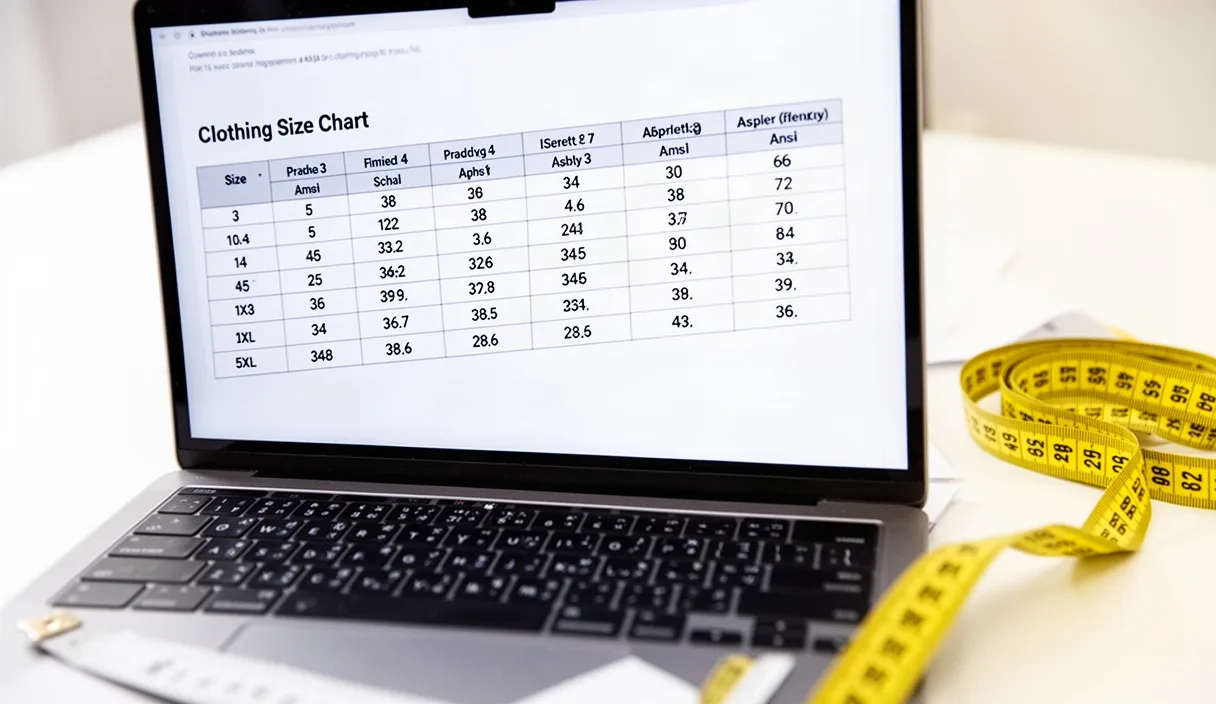

We've all been there: you order a medium in one brand, it fits perfectly, then you order a medium in another brand and it's either swimming on you or won't zip past your hips. It's not you. It's the sizing. Every brand builds its own charts, uses its own body measurements as a baseline, and makes its own choices about ease and vanity sizing. The label is just a label, not a universal unit.
The good news is that you can get a lot more accurate at online shopping once you understand how charts are made and what they're actually measuring. This guide walks through why sizes vary, how to read a chart the right way, and how to build your own mental database of which brands run small, large, or true to size.
Why the Same Size Label Fits Differently Across Brands
A size "8" or a "medium" is not tied to any government or industry standard in most countries. In the US, there used to be a federal sizing standard back in the 1950s and 1960s, but it was voluntary and eventually dropped in 1983. Since then, brands have been free to set their own size charts based on whatever fit model or target customer they choose.
This means a size 8 dress at one retailer might have a 35-inch bust measurement, while a size 8 at another retailer uses a 37-inch bust. Neither is wrong. They're just built on different base assumptions about who's wearing the garment.
Fit models play a huge role here too. A brand targeting younger customers might use a fit model with a longer torso and narrower hips, while a brand aimed at an older demographic might use a model with a fuller midsection. The resulting pattern gets graded up and down from that one body, so the whole size range reflects that original shape.
Country of origin matters as well. European sizing (like Italian or French brands) often runs smaller through the shoulders and arms compared to US sizing, even when the numeric size looks the same on paper. Japanese and Korean brands frequently size even smaller through the frame, not just the numbers.
How Size Charts Are Actually Built
Most size charts start with a base size, usually a medium or size 8 to 10, built from body measurements of a fit model. From there, pattern makers "grade" the pattern up and down to create the full size run. Grading isn't just scaling everything evenly. A size 16 isn't simply a size 8 multiplied by some factor. Different body areas grow at different rates between sizes, something called grade rules.
For example, a common grade rule between women's sizes might add 1 inch to the bust and waist per size, but only 0.75 inches to the shoulder width. This is why a shirt that fits your shoulders perfectly in a size 10 can suddenly feel tight across the bust in the same size from a different style, because the grading wasn't applied evenly across the garment.
Ease is another factor baked into every chart. Ease is the extra room built into a garment beyond your actual body measurement, meant for movement and comfort. A fitted blazer might have 2 inches of ease at the bust, while an oversized hoodie might have 8 inches or more. Two garments with the exact same "size large" label can have wildly different finished garment measurements because of ease choices.
Here's a simplified look at how ease might differ by garment type:
| Garment Type | Typical Ease at Bust/Chest | Fit Result |
|---|---|---|
| Fitted blazer | 1 to 2 inches | Close to body |
| Standard t-shirt | 3 to 4 inches | Relaxed, not tight |
| Oversized hoodie | 6 to 10 inches | Boxy, roomy |
| Tailored dress shirt | 2 to 3 inches | Trim but movable |
Vanity Sizing and Why It Exists
Vanity sizing is the practice of labeling a garment with a smaller size number than its actual measurements would suggest, mostly because customers tend to feel better and buy more when the tag says a smaller number. Research into this pattern isn't exact science, but retail analysts have tracked it for decades, and most shoppers who've tried on clothes from multiple decades of the same brand have felt it firsthand.
A size 8 dress from the 1990s often measures noticeably smaller than a size 8 dress sold today from the same brand. Some studies comparing vintage pattern measurements to modern ones have found waist measurements for the "same" size growing by 2 to 4 inches over several decades. This is partly due to shifting average body sizes in the population, but it's also a deliberate marketing choice by brands wanting customers to feel good at checkout.
This is why relying on a size number alone, especially across different brands or even different product lines within the same brand, sets you up for guesswork. A brand's "classic fit" jeans and "skinny fit" jeans in the same labeled size can have a 2-inch difference in actual waist measurement, because vanity sizing gets applied differently depending on the style's target customer.
The practical takeaway: treat the size label as a rough suggestion, not a fact. The actual measurements listed in inches or centimeters on the chart are what matter, not the word or number next to them.
Comparing Your Measurements to a Chart Correctly
Before you can compare anything, you need accurate measurements of your own body, and this takes more care than most people expect. Use a soft fabric tape measure, not a metal one, and measure directly against skin or thin clothing, not over a bulky sweater.
Here's a basic step-by-step for the three most common measurements:
- Bust/chest: Wrap the tape around the fullest part of your chest, keeping it level and parallel to the floor. Don't pull it tight, just snug enough that it stays in place.
- Waist: Find your natural waistline, which is usually the narrowest point of your torso, roughly an inch above your belly button. Bend slightly to one side; the crease that forms is your natural waist.
- Hips: Measure around the fullest part of your hips and backside, typically 7 to 9 inches below your natural waistline.
Once you have your numbers, compare them directly to the brand's chart, not to the size you normally wear elsewhere. If your bust measures 38 inches and the brand's size 12 lists 37 to 38.5 inches for the bust, that's your starting point regardless of what size 12 means at another store.
When your measurements fall between two sizes on a chart, check the brand's fit notes if available. Some brands specify "if between sizes, size up for a relaxed fit" or "size down for a fitted look." If no guidance exists, consider the garment's purpose: size up for structured items like blazers or jeans with little stretch, and consider sizing down for jersey knits or anything with 4% or more spandex content, since stretch fabric compensates for small measurement gaps.
Tracking Brands That Run Small or Large
Once you've ordered from a handful of brands, patterns start to emerge. Keeping a simple record, even a basic note on your phone, saves you from repeating the same sizing mistakes every time you shop a brand you haven't ordered from in a while.
A useful tracking format includes four details: brand name, item type, size ordered, and how it actually fit compared to your measurements. For example: "Brand X, cotton button-down, ordered size M, fit 1 inch looser than expected in the shoulders, size down next time." Over a year of shopping, this kind of log becomes genuinely useful, especially for brands you return to seasonally.
Customer reviews on the product page are another resource, particularly ones that mention the reviewer's height, weight, or measurements alongside their fit experience. A review saying "I'm 5'6", 140 lbs, ordered a size 8, fits true to size" gives you a concrete reference point that a generic "runs small" comment doesn't.
Some general patterns do hold up across the market, though they're not universal rules:
- Fast fashion brands targeting younger shoppers often size smaller through the shoulders and arms.
- Outdoor and athletic brands tend to run closer to true size or slightly roomy, since they're built for layering and movement.
- Luxury and European designer labels frequently run a full size smaller than US mass-market sizing.
- Brands with extended size ranges (into plus sizes) sometimes have more consistent grading because they've invested more in fit testing across a wider range of bodies.
Quick Tips for Buying Online Without Guessing
A few habits make a real difference in cutting down on returns and wasted shipping time. None of these guarantee a perfect fit every time, but they stack the odds in your favor.
- Always check the chart's listed measurements in inches or centimeters, not just the size label, every single time you shop a new brand.
- Measure a garment you already own and love, then compare those flat measurements to the brand's chart if they publish garment dimensions rather than body dimensions.
- Read the fabric content. Anything with 2% spandex or more has meaningfully more give than a rigid cotton or linen blend.
- Check the return policy before buying, especially for brands you haven't tried. Free returns make experimentation much lower risk.
- When in doubt between two sizes, consider ordering both if returns are free and easy, rather than guessing and waiting through a return-reorder cycle.
Common Mistakes
One frequent mistake is assuming your size at one store transfers directly to another, especially within the same general category like "women's medium." Another is measuring over bulky clothing, which can add an inch or more to your real numbers and throw off the whole comparison. Shoppers also tend to ignore garment-specific ease, expecting an oversized style to fit like a fitted one just because the size number matches what they usually wear. Finally, many people skip reading the actual chart altogether and rely purely on past experience with the brand, even when that brand has since changed its fit blocks or fit models, something that happens more often than most shoppers realize.
Next Steps
Start by measuring yourself properly with a soft tape measure, write those numbers down somewhere you'll actually find again, and use them, not your usual size label, as your reference point for every new brand. Build a short list of brands you've already tested, noting whether they ran small, large, or true to size for specific garment types. Before your next online order, pull up the brand's actual size chart and compare it directly to your numbers rather than relying on memory. If you're shopping for a special occasion, like custom tailoring for a wedding or a formal event, it's worth consulting a professional tailor for in-person adjustments rather than depending solely on online sizing. Over time, this kind of measured approach will cut down on returns, save you time, and make online shopping feel a lot less like guesswork.