 Larkspur Edit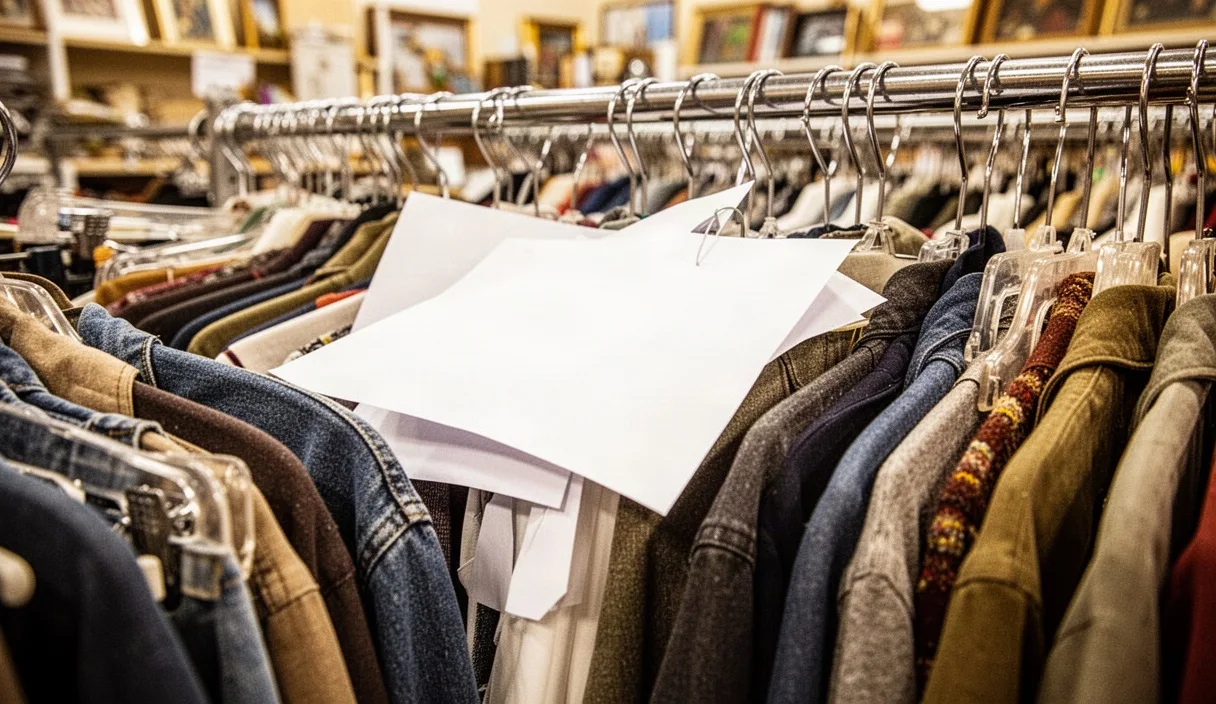

Walk into any thrift store and you'll find racks packed with everything from stiff polyester blends to buttery soft cotton that's been washed a hundred times into something better than new. The trouble is, most of it looks the same from three feet away. We've spent plenty of Saturday mornings digging through bins, and the one skill that's saved us money and closet space more than any other is learning to read fabric with our hands and eyes before we ever check the price tag.
This guide walks through what we actually do when we're standing in front of a rack, no fancy tools required. By the end, you'll have a routine you can use in any secondhand store, whether it's a church basement sale or a curated vintage shop.
Why Secondhand Fabric Quality Varies So Much
Secondhand stores don't sort by fiber content or weave, so you're looking at decades of manufacturing side by side. A shirt from the 1990s might be 100% cotton with a tight weave, while something from five years ago could be a cotton-polyester blend that pills after a dozen washes. There's no consistency because there's no single source. Donations come from closets, estate sales, and overstock liquidations, all mixed together.
Garment age plays a bigger role than most people expect. Clothes made before the early 2000s often used heavier, higher thread-count fabric because production costs and material sourcing were different. Fast fashion changed that, pushing thinner fabrics and more synthetic blends into the market from the mid 2000s onward. So when you find a flannel shirt that feels unusually solid, it's worth checking the tag, it might be older stock that held up simply because it was made differently.
Wear history matters too. A fabric that's been through ten gentle hand washes will feel and perform differently than one that's been through two hundred machine cycles on high heat. You can't always tell the exact number, but you can learn to spot the signs of heavy use, which we'll cover in the next few sections.
Reading Fabric by Touch When Labels Are Missing
Labels fall off, fade, or get cut out, so touch becomes your main tool. Natural fibers like cotton, linen, and wool have a slightly dry, textured feel. Run your fingers across the surface, if it feels cool and a bit rough in a good way, that's often a sign of cotton or linen. Wool tends to have more spring, it bounces back when you pinch it.
Synthetic fabrics like polyester and nylon feel smoother and sometimes slightly slick, almost like they're coated. If you rub the fabric between two fingers and it feels like it could generate static, that's usually polyester or a poly blend. Silk has a particular warmth to it, it feels almost body-temperature even in a cold store, and it has a soft, fine drag rather than a slip.
Here's a quick comparison we use mentally while shopping:
| Fiber | Touch feel | Common tell |
|---|---|---|
| Cotton | Dry, slightly textured | Wrinkles easily when scrunched |
| Linen | Crisp, slightly stiff | Holds a crease, slightly rough weave visible |
| Wool | Springy, slightly fuzzy | Bounces back after pinching |
| Silk | Warm, smooth without being slick | Slight sheen under light |
| Polyester | Smooth, sometimes slick | Doesn't wrinkle much, feels cool then warms fast |
Scrunch a section of fabric in your fist for five seconds, then let go. Cotton and linen will show wrinkles that slowly or stubbornly relax. Polyester tends to spring back almost flat right away. This trick alone has saved us from buying "linen-look" shirts that were actually full synthetic blends.
Spotting Pilling, Fading and Wear
Pilling, those little fuzzy balls that form on fabric surfaces, tells you a lot about both fiber quality and how much a garment has been used. Light pilling in low-friction areas like the chest of a sweater is normal and not a dealbreaker. Heavy pilling under the arms, along the sides, or anywhere that rubs against a bag strap usually means the fibers are breaking down and won't hold up much longer.
Fading is trickier because sometimes it's intentional, like a stonewashed denim jacket, and sometimes it's a sign the fabric has been overexposed to sun or harsh detergent. Check for uneven fading, a shirt that's darker under the collar or at the seams than everywhere else usually got sun-bleached rather than designed that way. That kind of fading often comes with weaker fibers too, since UV exposure breaks down cotton and especially silk over time.
We always check these three spots on any garment before buying:
- Underarms and inner elbows, where sweat and friction cause the most breakdown
- Seat and knee areas on pants, where thinning fabric shows up as a slight sheen or see-through quality when held to light
- Collar and cuff edges, where repeated folding and unfolding stresses the weave
If you hold fabric up to a window or bright store light and can see your fingers clearly through it in areas that shouldn't be sheer, the fibers have thinned past the point of being durable. That's fine for a one-season wear but not something to expect years from.
Checking Seams and Repairs on Used Garments
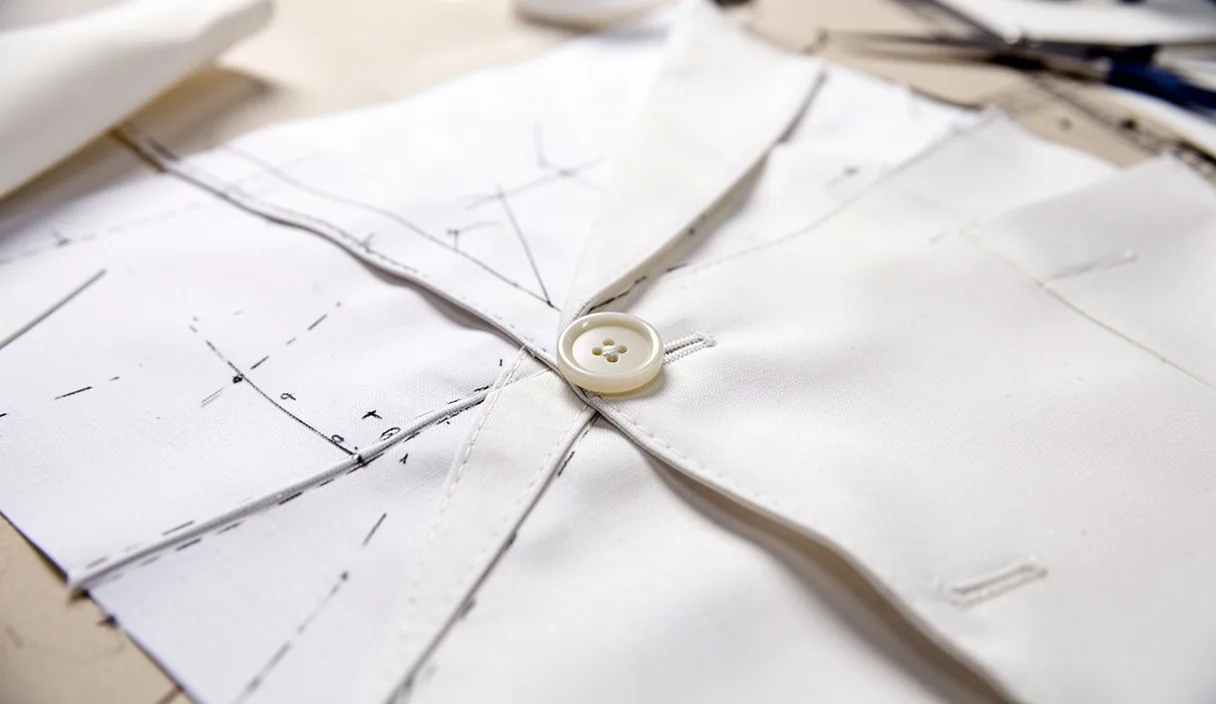
Seams are where secondhand clothes usually fail first, not the fabric itself. Turn any garment inside out and look at the stitching. Even, tight stitches with no gaps mean the seam was constructed well and has held up through wear. Loose threads, puckering, or stitches that are more than an eighth of an inch apart suggest the seam is already stressed or was cheaply made to begin with.
Pull gently on the seams at stress points, shoulder seams on shirts, the crotch seam on pants, and the side seams on fitted dresses. A little give is normal, but if you see the stitching separate even slightly or hear a faint popping sound, that seam is close to failing. We've learned to walk away from anything where a gentle tug shows daylight through the seam.
Previous repairs aren't automatically a bad sign. A hand-stitched patch or a replaced button shows someone cared enough about the garment to fix it, which often means the fabric underneath was worth saving. Machine-done repairs with mismatched thread color are usually fine functionally, they're just not invisible. The bigger concern is repeated repairs in the same spot, which signals a structural weak point that will likely need fixing again.
A quick seam checklist before you commit to buying:
- Turn the item inside out and inspect stitch spacing and tightness
- Gently pull at shoulder, side, and crotch seams
- Look for puckering or uneven tension in the thread
- Check if repairs are isolated or repeated in the same area
A Simple At-Home Fiber Test
If you're genuinely unsure what a fabric is made of and the store allows returns, there's a simple burn test you can do at home, though we only recommend this for fabric scraps or thrifted yardage you've already purchased, never on a finished garment you plan to wear or return. Always do this over a sink or metal tray, away from anything flammable, and with a window open for ventilation. If you're not comfortable doing this yourself, a local tailor or fabric shop can usually identify fiber content for a small fee.
Cut a small thread or snip of fabric, no bigger than an inch. Hold it with tweezers or tongs, not your fingers, and bring a lit match or lighter close enough to ignite it, then pull the flame away and watch how it burns.
- Cotton and linen burn quickly with a steady flame, smell like burning paper, and leave a light, crumbly gray ash
- Wool and silk burn slowly, often self-extinguish, smell like burning hair, and leave a dark, brittle ash
- Polyester and nylon melt rather than burn cleanly, shrink away from the flame, smell slightly sweet or chemical, and leave a hard black bead
This test won't tell you the exact blend percentage, but it will clearly separate natural fibers from synthetics, which is usually the information that matters most for care and durability. If you ever do this with kids nearby, keep them at a distance and handle the flame yourself.
Building a Thrifting Routine That Saves Time
Once you've practiced the touch test and seam checks a few times, you can move through a rack in under two seconds per item, only stopping fully on things that pass the first glance. We usually set a soft budget of fifteen minutes per rack section so we don't burn out before reaching the good stuff in the back.
Shopping at certain times helps too. Many thrift stores restock on specific days, often early in the week, so asking staff when new donations hit the floor can point you toward less-picked-over racks. Weekday mornings tend to have thinner crowds, which means more time to actually touch and inspect fabric without rushing.
Bring a small flashlight or just use your phone's light to check for stains and thinning fabric in dim corners of the store, lighting in thrift shops is rarely good enough to catch everything. A small tape measure in your bag also helps when you're buying fabric yardage rather than finished garments, so you know exactly what you're getting before checkout.
Common Mistakes
The biggest mistake is judging fabric quality by brand name alone. A recognizable label doesn't guarantee the fabric held up, especially if the piece is from a fast-fashion line within that brand's range. Check the fabric itself every time, regardless of what the tag says.
Another common misstep is skipping the inside-out check because it feels like extra effort. Seams tell you more about longevity than the outer fabric does in many cases, and skipping this step is how worn-out seams end up unraveling a week after purchase.
Finally, people often overlook smell as a signal. A musty or mildew smell that doesn't fade after airing out usually means moisture damage deep in the fibers, which can weaken fabric even if it looks fine on the surface. If a strong odor lingers after a day of airing, it's often not worth the risk.
Next Steps for Your Next Thrift Trip
Start small on your next visit, pick five items and run through the touch test, seam check, and wear inspection on each one before deciding. This builds muscle memory faster than trying to evaluate an entire rack at once.
Keep a small notebook or phone note of fabrics and brands that consistently felt good to you, over a few trips you'll start noticing patterns in eras, materials, or even specific stores that tend to carry higher-quality pieces. That personal reference becomes more useful than any general guide, including this one, because it's based on what you've actually touched and tested yourself.