 Larkspur Edit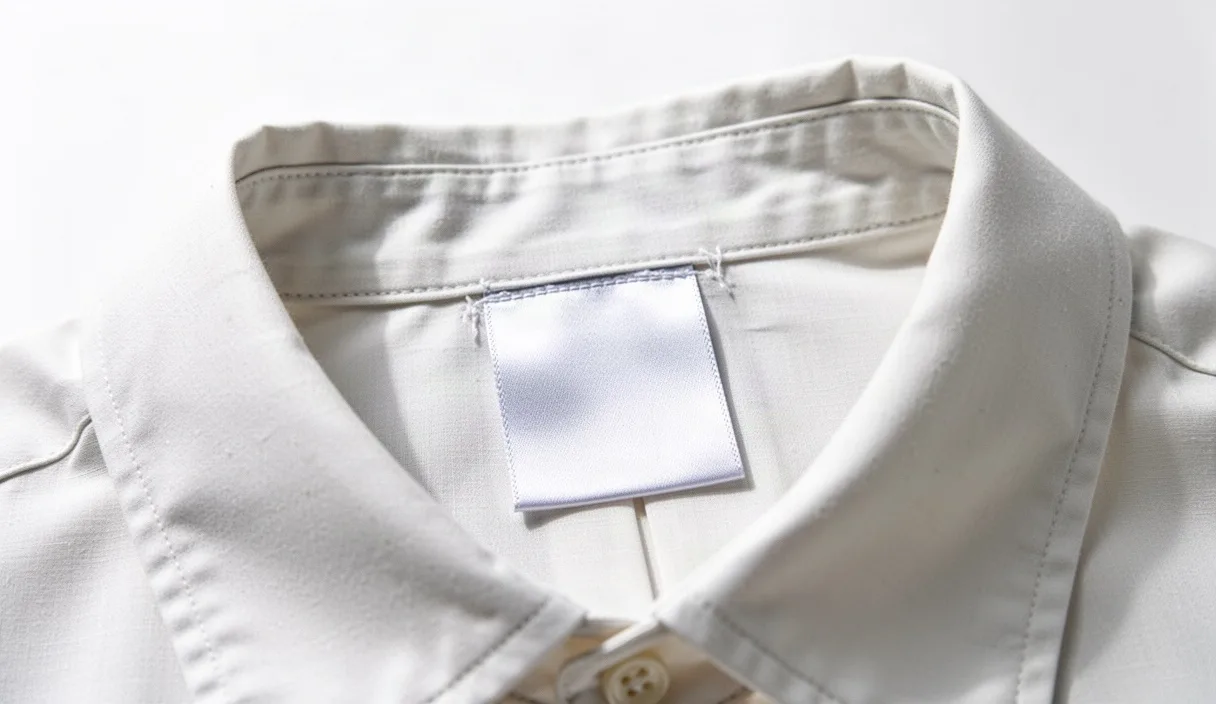

We've all stood in front of the closet holding a sweater, staring at a tag that says "Dry Clean Only," and wondered if that's really true or just a label covering itself. The honest answer is: sometimes yes, sometimes no. A lot of garments carry that warning because of fabric blends, dye instability, or structural details that could shift in water, but plenty of others get the label simply because the manufacturer didn't want to deal with return complaints.
In this piece, we'll walk through what dry cleaning actually does to fabric, why some labels are overly cautious, which materials usually tolerate a gentle hand wash, and how to test a piece before you commit. We'll also cover the warning signs that mean you really should leave it to a professional, and how to save money without ruining something you love.
What Dry Cleaning Actually Does
Dry cleaning isn't actually "dry." It uses a liquid solvent, most commonly perchloroethylene or a gentler hydrocarbon-based alternative, instead of water. The solvent dissolves oils, dirt, and body soil without causing fibers to swell the way water does. That's the key difference: water makes natural fibers like wool and silk expand and contract as they absorb and release moisture, which can lead to shrinkage, felting, or loss of shape.
The process typically runs through a machine similar to a front-loading washer. Garments tumble in the solvent for about 8 to 15 minutes, get extracted, and then go through a drying cycle that evaporates any remaining solvent. Afterward, most dry cleaners press or steam the piece to restore its finish, which is part of why professionally cleaned clothes often come back looking sharper than anything from a home wash.
Solvent cleaning is particularly good at handling certain challenges: it won't disturb structured tailoring like shoulder pads or fused interfacing, it's gentle on delicate trims like beading or sequins, and it doesn't typically bleed dyes the way hot water can. That's why suits, lined coats, and heavily embellished formalwear usually fare better at the cleaners than in a sink.
Why Some Labels Say Dry Clean Only Anyway
Care labels are written to protect manufacturers legally, not necessarily to give you the gentlest possible instructions. If there's any chance a fabric could shrink, bleed, or distort in water, many brands default to "Dry Clean Only" rather than risk a customer washing it wrong and blaming the company.
This is especially common with rayon, viscose, and acetate. These fibers are cellulose-based, similar to cotton in origin, but they're processed differently and tend to lose strength and shape when wet. A rayon blouse might wash just fine once, but repeated hand-washing can leave it limp or misshapen, so brands often play it safe with the dry-clean label even though a careful hand wash sometimes works.
Structural garments are another category where the label is more about construction than fiber. A blazer with fused interfacing, shoulder padding, or multiple interior layers can be made of washable wool, but the internal components might not react well to water even if the outer fabric would be fine. In these cases, the "dry clean only" instruction is really about preserving the shape, not the fiber itself.
Color-rich garments, especially those dyed in deep reds, blues, or blacks, also tend to get the cautious label. Hand-washing can be safe for the fabric itself, but if the dye isn't fully set, you risk bleeding or fading, so the tag defaults to the safer professional route.
Fabrics Where Hand-Washing Is Usually Safe
Some materials handle hand-washing well despite the label, as long as you're careful with water temperature and handling. Here's a quick comparison of common fabrics and how they typically respond:
| Fabric | Hand-Wash Risk Level | Notes |
|---|---|---|
| Silk (plain weave, no embellishment) | Low to moderate | Use cold water and a silk-specific detergent; avoid wringing. |
| Wool (unstructured sweaters) | Low | Cold water, lay flat to dry, never hang wet. |
| Cashmere | Low | Hand wash with a wool-safe soap; reshape while damp. |
| Rayon/Viscose | Moderate | Test first; some pieces shrink or lose structure. |
| Linen (unlined) | Low | Machine washable on gentle in most cases. |
| Acetate | High | Prone to water spots and distortion; dry clean recommended. |
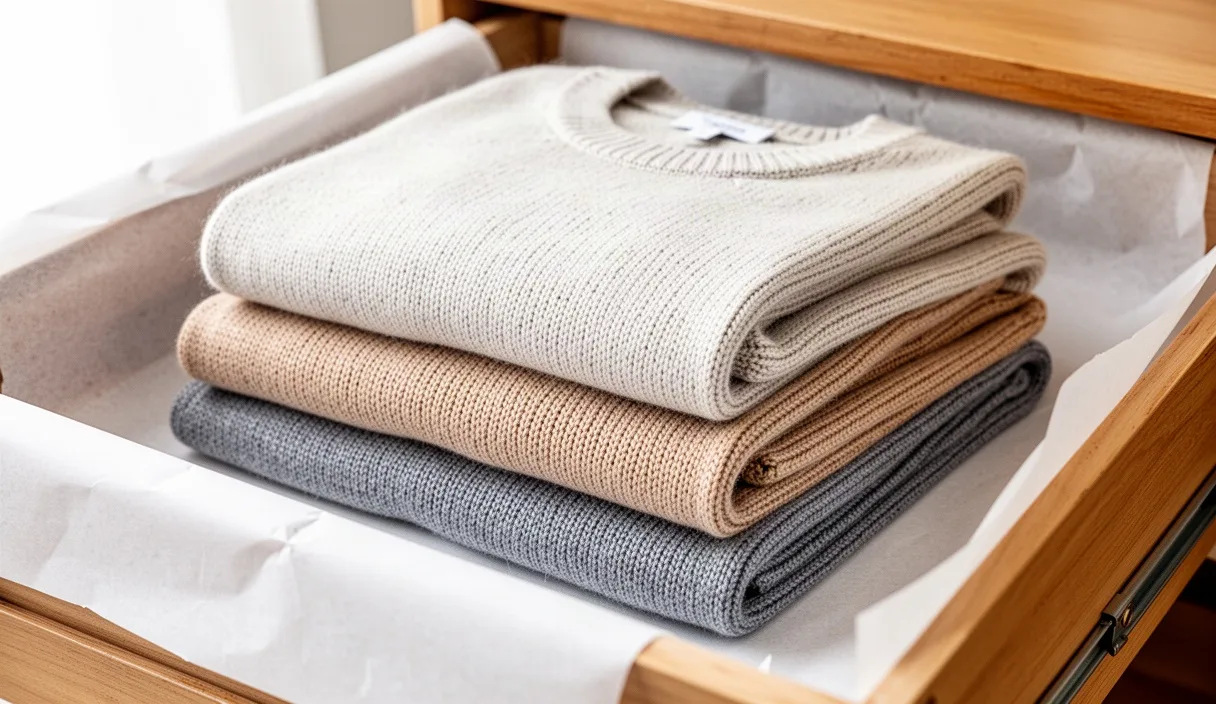
Wool sweaters without structural padding are one of the safest bets for hand-washing, even when the label says otherwise. Use cool water, a wool-specific detergent like Soak or Eucalan, and avoid any twisting. Lay the sweater flat on a towel to dry, reshaping it by hand while it's still damp.
Plain silk blouses, scarves, and ties without beading or heavy lining also tend to hand-wash reasonably well. The biggest risk with silk is water spotting, so submerge the whole piece rather than spot-treating, and avoid direct sunlight while it dries.
How to Test a Garment Before Washing It Yourself
Before you commit a whole garment to water, it's worth running a few quick checks. These won't guarantee a perfect outcome, but they catch the most common disasters before they happen.
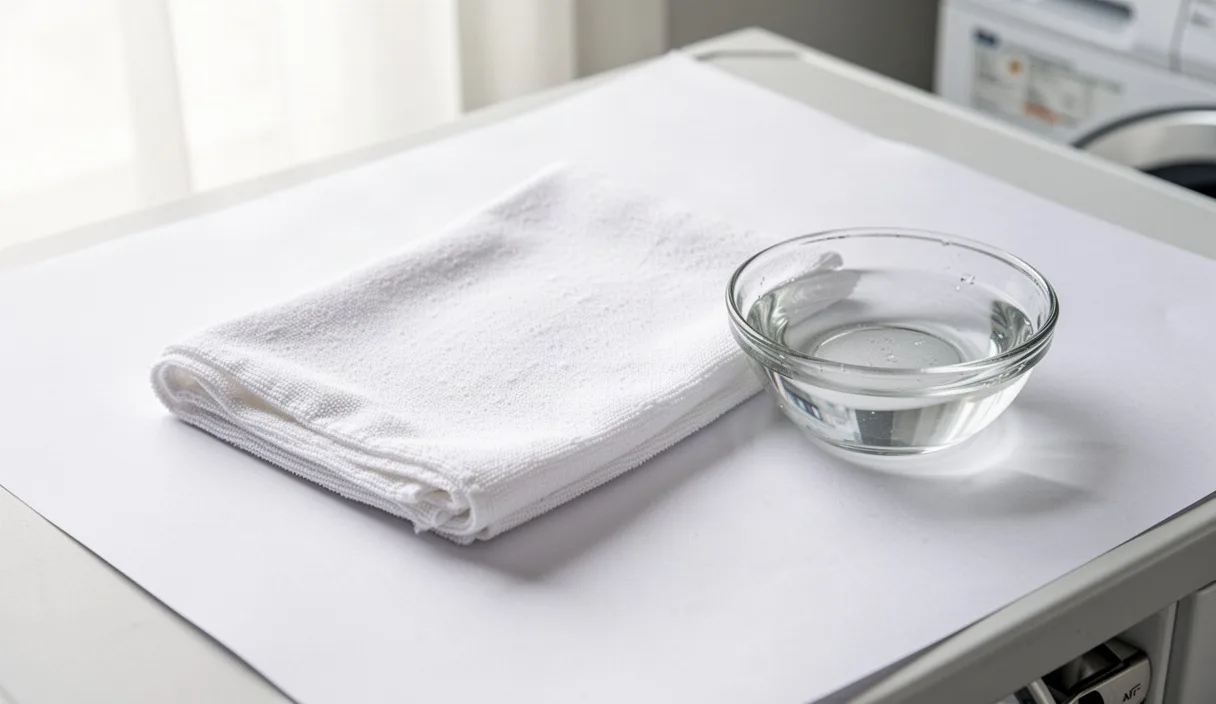
- Check the inside seam allowance. Dab a damp white cloth on an inner seam or hem where color loss wouldn't be visible. If dye transfers onto the cloth, the garment is a bleeding risk and should go to a professional.
- Test for shrinkage on a swatch. If there's an extra fabric swatch (common with higher-end pieces) or an inner hem you can unpick slightly, wet it and compare the dimensions before and after drying.
- Look at the construction. Structured shoulders, fused collars, or multiple fabric layers are signs that water could warp the shape even if the fabric itself is washable.
- Smell and inspect for existing stains. Some stains, especially oil-based ones, set permanently if washed in the wrong temperature. If you're unsure what caused a stain, treat the garment as higher risk.
If the garment passes these checks, hand wash in cool water with a gentle detergent, never wring, and roll it in a towel to remove excess water before laying flat to dry. Avoid the dryer entirely for anything you weren't sure about to begin with.
Signs a Piece Really Does Need Professional Cleaning
Some garments are genuinely safer left to a dry cleaner, and ignoring that can mean permanent damage. Watch for these indicators:
- Beading, sequins, or metallic thread. These embellishments are often glued or stitched with adhesives that water can loosen or dissolve.
- Tailored structure. Blazers, suits, and structured coats with interior padding or interfacing can lose their shape permanently in water, even if the outer fabric is fine.
- Leather or suede trim. Any garment with leather accents, even small ones like trim or piping, should go to a specialist, since water can stiffen or stain leather.
- Vintage or delicate antique fabric. Older textiles may have weakened fibers that can't handle the agitation of hand-washing, even gentle agitation.
- Unclear fiber content. If the tag is missing or faded and you can't identify the fabric, it's safer to consult a professional rather than guess.
If you're ever unsure, it's worth calling a local dry cleaner and asking before you wash. Most will give you a quick answer over the phone, and many offer a "if we ruin it, we replace it" guarantee that home washing simply doesn't come with.
Common Mistakes
One frequent mistake is assuming all "Dry Clean Only" labels mean the same level of risk. A silk scarf and a beaded cocktail dress carry very different consequences if you guess wrong, so treat each piece individually rather than applying a blanket rule.
Another common error is using hot water "just to be thorough." Heat is one of the biggest causes of shrinkage and color loss in wool, silk, and rayon. Stick to cool or lukewarm water unless you've confirmed otherwise.
People also tend to skip the spot test because it feels like an extra step. Skipping it is how a ten-dollar blouse ends up fine but a two-hundred-dollar dress ends up with a faded collar. The thirty seconds it takes is worth it.
Saving Money Without Risking Your Clothes
If you're trying to cut down on dry cleaning costs, start with the easy wins: plain cotton, linen, and sturdy wool items without embellishment are usually safe to machine wash on a gentle or wool cycle, even if labeled otherwise, as long as you've done the seam test first.
For items you're unsure about, consider a wool-safe home dry-cleaning kit, like Dryel, which uses a sealed bag and low heat in your dryer with a cleaning cloth. It's not identical to professional solvent cleaning, but it works reasonably well for lightly soiled items between full cleanings.
Save the professional cleaner specifically for structured garments, anything with embellishment, and pieces where color bleeding is a real risk. Spacing out dry cleaning visits, maybe once every few wears instead of after every single use, also extends the life of the fabric, since the solvent process itself causes some gradual wear over time.
If you're building a long-term plan, it helps to sort your closet into three groups: always hand wash, always professional clean, and "test before deciding." That third group is where most of your savings will come from, since many of those pieces turn out safer to wash at home than their labels suggest. When in doubt, a quick question to your local cleaner costs nothing and can save you from a costly mistake.