 Larkspur Edit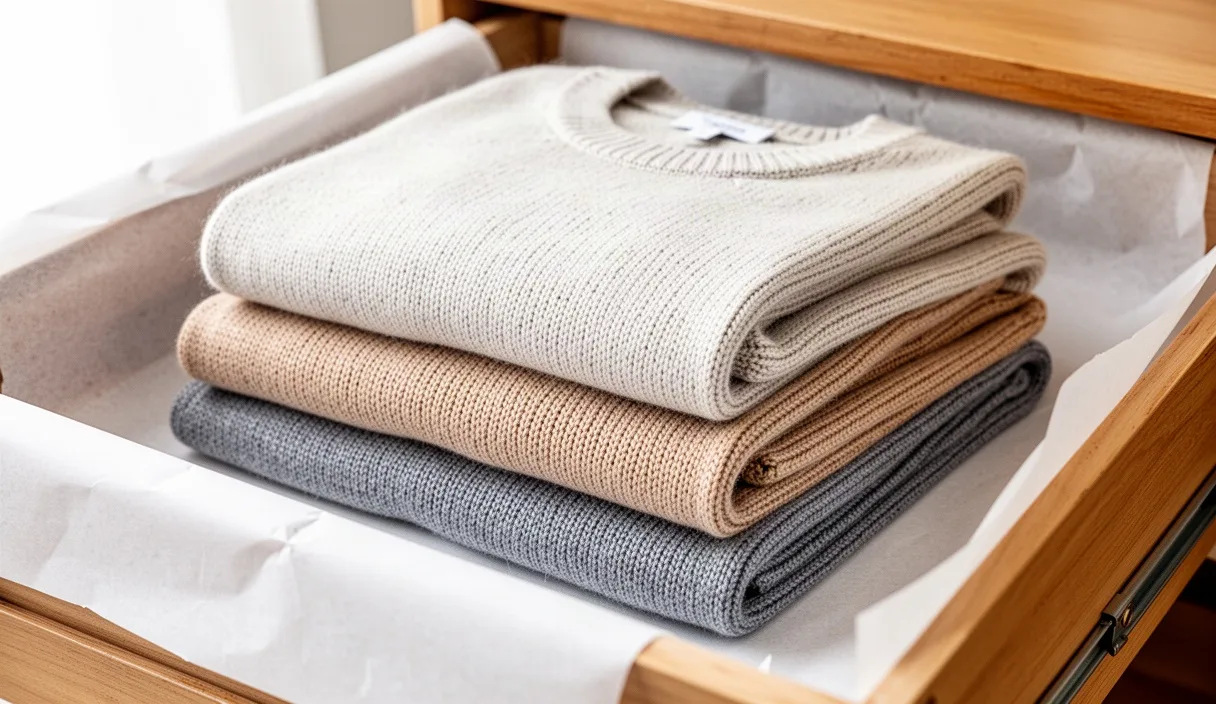

We've all pulled a favorite sweater out of a drawer in October and found it stretched, moth-nibbled, or smelling faintly of the attic. It's a small heartbreak, especially if the sweater was a gift or one of those pieces you saved up for. The good news is that most of this damage isn't inevitable. It comes down to how the sweater was stored for the months it sat untouched, not bad luck.
In this guide we'll walk through the habits that actually protect knitwear: how to fold instead of hang, what containers let wool breathe, which natural moth deterrents hold up, and why cleaning before storage matters more than most people think. None of this requires special equipment, just a different routine than the one you probably learned from a closet rod.
Why Hanging Sweaters Ruins Their Shape
A hanger puts all of a sweater's weight on two small points, usually the shoulders. Knit fabric has give built into it, so over weeks that weight pulls the shoulder seams down and stretches the neckline. You've probably seen a hung sweater with little hanger bumps poking up on each side, or a collar that's gone wide and droopy. That's not wear from use, that's wear from storage.
Heavier knits, like cable-knit wool or anything with a chunky gauge, show this damage faster because there's more fabric weight pulling down. A lightweight cotton tee shrugs off a hanger for a day or two without much harm, but a thick Aran sweater left on one for a month can lose its shape permanently. Wool and wool blends are especially prone to this because the fibers relax under sustained tension and don't always spring back.
Cashmere is the most sensitive case. Its fibers are finer and shorter than sheep's wool, so they stretch out of shape faster and recover less. A cashmere sweater hung for a season can end up with sleeves that hang an inch or two longer than they should, and that length doesn't come back on its own.
If you only take one thing from this section, make it this: knitwear should be folded for anything longer than an overnight hang to dry or air out. Structured items like blazers and button-down shirts are built for hangers. Sweaters aren't.
How to Fold Different Knit Weights
Not every sweater folds the same way, and the method should match the weight and structure of the knit. A thin cotton sweater can take a simple in-half fold without issue, but a bulky wool sweater benefits from a method that distributes bulk evenly so it doesn't develop a permanent crease line.
Here's a folding approach that works for most knitwear:
- Lay the sweater face down on a flat surface.
- Fold one sleeve across the back diagonally, then do the same with the other sleeve, so they cross like an X.
- Fold the bottom third up toward the collar.
- Fold the top third down to meet it, so you end up with a compact rectangle.
For bulky or cable-knit sweaters, skip the final fold and instead roll the sweater loosely from the bottom hem up to the collar after the sleeves are crossed. Rolling avoids the sharp crease that a hard fold leaves in thick yarn, and it's easier to stack in a drawer without crushing the texture.
Fine-gauge knits like merino or cashmere do better with tissue paper placed inside the fold, particularly at the fold line itself. This keeps the fibers from pressing into a hard line that can take weeks to relax out. If you're storing a sweater with beading, embroidery, or sequins, fold with the decorated side facing out and add a layer of tissue over it so the embellishments don't dig into the next item in the stack.
Quick reference by knit weight
| Knit type | Best fold method | Extra care |
|---|---|---|
| Lightweight cotton or linen | Simple in-half fold | None needed |
| Merino or fine wool | Sleeve-cross fold with tissue | Tissue paper at crease |
| Cashmere | Sleeve-cross fold, loose stack | Store flat, avoid tight stacking |
| Chunky or cable knit | Loose roll after sleeve cross | Store on its own, not under heavy items |
Choosing Storage Containers That Breathe
Plastic storage bins feel like the obvious choice because they're cheap and stackable, but sealed plastic traps moisture. Wool fibers hold onto humidity from the air, and if that moisture has nowhere to go, you get a musty smell and, in damp climates, the start of mildew. This is especially a problem in basements or garages where the air is already humid.
Cotton storage bags, canvas bins, or breathable garment boxes with small vents let air circulate while still keeping dust and light out. A cedar chest works well too, partly because cedar wood itself has a mild moth-deterrent property, which we'll get into in the next section. If you only have plastic bins on hand, leave the lid slightly ajar or drop in a few silica gel packets to absorb excess moisture.
Avoid stacking more than four or five folded sweaters in one container. Beyond that, the bottom layers get compressed and can develop permanent flattening, especially in chunky knits where the loft of the yarn is part of the design. If you have more than that to store, spread them across two shallow containers instead of one deep one.
Vacuum-sealed bags are popular for saving space, but they compress wool fibers under pressure for months at a time, which can flatten the nap permanently on textured knits. They're fine for a short move or a quick trip, but we wouldn't recommend them for a full season of storage.
Natural Ways to Keep Moths Away
Moths don't actually eat wool for food in the way people imagine. It's the larvae that cause damage, and they're drawn to natural fibers that carry traces of sweat, skin oils, or food residue. This is one reason a clean sweater is far less likely to get moth holes than one put away after a few wears without washing.
Cedar blocks and cedar rings are a reliable first layer of defense. The oil in cedar wood disrupts the scent trail moths use to find fabric, but the effect fades over time. Sand the surface of cedar blocks every couple of months with fine sandpaper to refresh the oil and keep the scent active.
Dried lavender sachets work on a similar principle and double as a pleasant alternative if cedar's scent is too strong for your closet. Other options people reach for include whole cloves, dried rosemary, and dried thyme, all tied into small muslin pouches and tucked among the folded sweaters.
None of these natural methods will eliminate an active infestation. If you find actual holes or larvae casings in stored sweaters, the next step is a thorough vacuum of the storage area, a hot wash or dry clean of everything in that space, and in persistent cases, a call to a pest control professional who handles fabric pests specifically. Natural deterrents prevent problems, they don't fix one that's already underway.
Cleaning Before You Store, Not After
It's tempting to toss a sweater in storage "to wash later," but this is backwards. Body oils and food stains left on fabric for months set more deeply and also attract the moth larvae mentioned above. Every sweater going into long-term storage should be clean first, even if it only looks lightly worn.
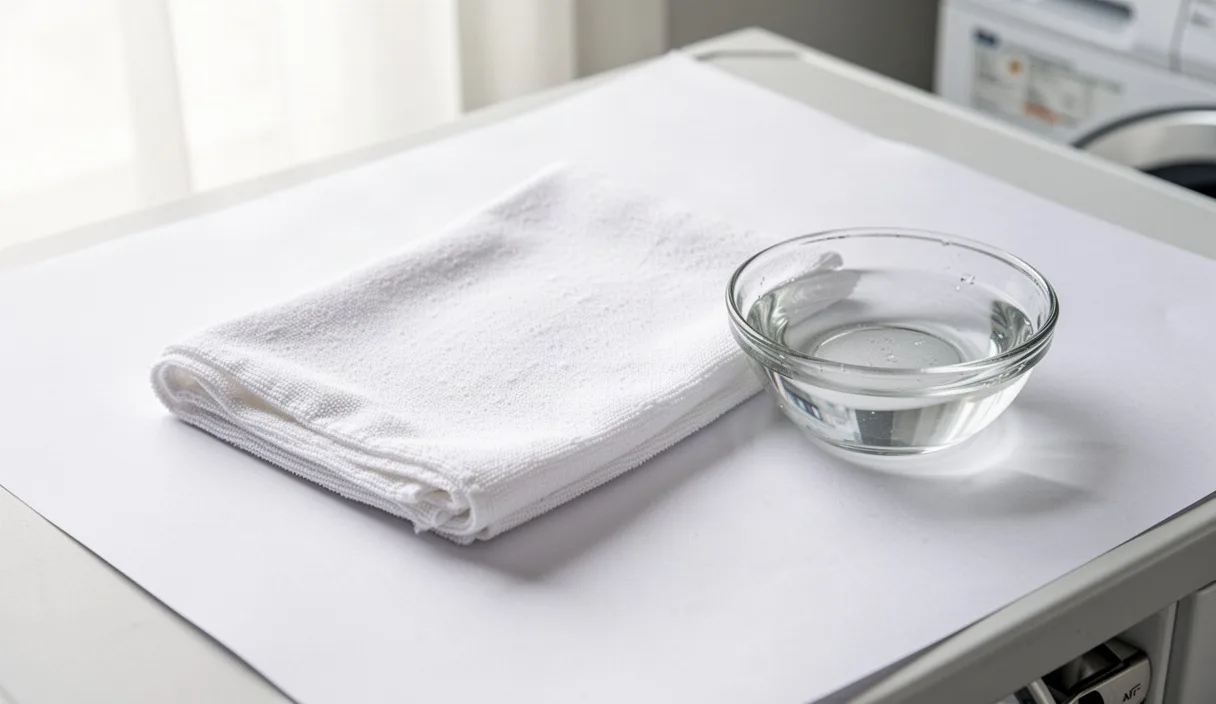
Wool and cashmere do best with a gentle hand wash in cool water using a wool-specific detergent, then laid flat on a towel to dry. Machine washing on a delicate cycle works for sturdier wool blends if the care label allows it, but always check that label first since fiber content varies even within what looks like a similar sweater. Cotton and synthetic-blend knits can usually go through a regular gentle cycle.
Make sure the sweater is completely dry before folding it away. Any residual dampness, even what feels dry to the touch on the surface, can lead to a musty smell or mildew spots once it's sealed in a container for weeks. A sweater that feels dry after an hour on a towel may still be damp in the thicker seam areas, so give wool knits a full day or two of air drying flat before storage.
A Seasonal Routine for Packing Sweaters Away
Building a simple routine makes this whole process faster each year instead of something you have to relearn every spring and fall. Most people find late spring, once temperatures are reliably warm, is the right time to pack winter knits away, and early fall the right time to bring them back out.
- Wash or dry clean every sweater, even ones worn only once or twice.
- Let everything dry fully, a full day or two for thicker knits.
- Sort by weight, lightweight cotton separate from heavy wool and cashmere.
- Fold using the method suited to each knit weight, with tissue paper for fine knits.
- Pack into breathable cotton or canvas containers, no more than four or five sweaters per bin.
- Add cedar blocks or lavender sachets, one or two per container.
- Store in a cool, dry spot away from direct sunlight, which can fade color over months.
- Check containers once mid-season to refresh cedar scent and confirm no dampness has built up.
That mid-season check in the list above is easy to skip but worth the five minutes. It catches moisture problems or a fading cedar scent before they turn into real damage, and it means no surprises when you pull everything out again.
Common Mistakes
The most frequent misstep is simply hanging sweaters for convenience, because it feels faster than folding. A close second is washing sweaters right after bringing them out of storage instead of before putting them away, which leaves months for oils and stains to set. People also tend to overpack bins past the four or five sweater mark, crushing whatever is on the bottom, and they reach for sealed plastic totes without realizing trapped moisture is what causes that stale, musty smell months later.
What to Do Next
If you've got a drawer or bin of sweaters that already show hanger bumps or a musty smell, start by airing each one flat for a day, then rewash anything that needs it before refolding. For sweaters already stretched out of shape, a gentle reshaping while damp, laid flat to dry on a towel, can sometimes pull them back close to their original fit, though heavily stretched cashmere may need a visit to a knitwear repair specialist for a proper reshape. Going forward, even switching just the folding and container habits covered here should make next season's unpacking a lot less disappointing.