 Larkspur Edit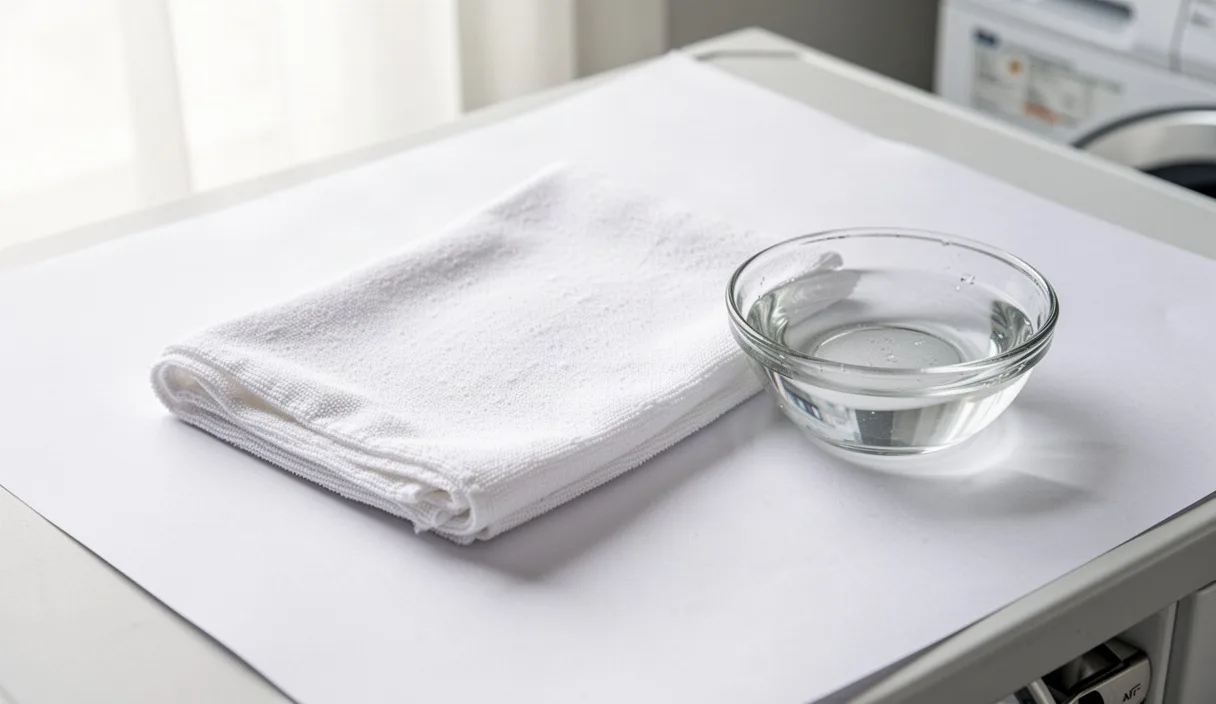

Every household has that one drawer or closet shelf with a half-used bottle of stain remover, a few gadgets that never quite worked, and at least one shirt that got thrown out because the stain just wouldn't budge. We've been there too. The truth is, most stains aren't actually impossible to remove, they're just handled the wrong way, usually with too much heat, too much rubbing, or too much time between the spill and the fix.
This guide walks through the most common stains we hear about from customers: oil, wine, grass, ink, and a few others that trip people up. We'll also cover which fabrics need a gentler hand, and when it's smarter to stop experimenting at home and let a professional cleaner take over.
Why Fast Action Matters More Than the Product You Use
The single biggest factor in whether a stain comes out isn't the brand of remover you grab, it's how quickly you act. Most fresh stains sit on top of the fabric fibers for the first 10 to 15 minutes. After that, they start bonding to the material, especially if heat gets involved, like tossing a stained shirt straight into a hot dryer.
Here's a simple rule we give customers: blot, don't rub. Rubbing pushes the stain deeper into the weave and can fray delicate fibers. Blotting with a clean white cloth, working from the outside of the stain inward, lifts the substance instead of spreading it.
Cold water is your default first move for almost anything except oil-based stains, which we'll get to next. Hot water can set proteins (think blood, egg, dairy) and make them nearly permanent. If you're unsure what caused a stain, cold water is the safer starting point while you figure out your next step.
One more thing worth knowing: check the fabric care label before applying anything. A small tag that says "dry clean only" or "do not bleach" is there for a reason, and ignoring it is how a stain turns into a bigger problem, a ruined garment.
Oil and Grease Stains: What Works
Oil and grease, whether it's cooking oil, salad dressing, or a smear of bike chain grease, don't respond to water the way most stains do. Water and oil don't mix, so soaking a greasy stain in plain water usually just moves it around rather than lifting it out.
The trick is to break down the oil first. Dish soap, the kind made for cutting grease on pans, works surprisingly well on fabric too. Apply a small amount directly to the stain, work it in gently with your fingers (not a brush, which can push oil further into the weave), and let it sit for about 5 minutes before rinsing with warm water.
For set-in grease stains, a layer of baking soda or cornstarch left on the fabric for 15 to 20 minutes before brushing off and treating with dish soap can help absorb oil that's already soaked into the fibers. We've seen this work on everything from salad dressing splatters on cotton shirts to grease spots on canvas jackets.
- Fresh stain: blot excess oil with a paper towel first, don't rub it in.
- Apply a dot of dish soap, work in gently, let sit 5 minutes.
- Rinse with warm water, check the spot before drying.
- If any shadow remains, repeat before putting the item in the dryer. Heat can set what's left.
Wine and Fruit Stains on Light Fabrics
Red wine on a white tablecloth is one of those moments that feels like a disaster, but it's actually one of the more treatable stains if you move fast. The tannins in wine and fruit juice are water soluble, which means cold water and a little patience go a long way.
Start by blotting up as much liquid as possible, then stretch the stained area over a bowl or sink and pour cold water through the back of the fabric. This pushes the stain out rather than through it. A mix of one tablespoon of dish soap, one tablespoon of white vinegar, and two cups of cold water, dabbed onto the spot, works well for most cotton and linen pieces.
For fruit stains like berries or grape juice, the same approach applies, though you may need to repeat the rinse-and-dab cycle two or three times. Avoid salt as a home remedy, contrary to old advice, it doesn't actually lift wine stains and can leave a gritty residue.
| Stain Type | Best First Response | Avoid |
|---|---|---|
| Red wine | Cold water rinse from the back, then soap and vinegar mix | Hot water, salt |
| Berry juice | Cold water soak, repeat dabbing with mild soap | Rubbing, direct sunlight before fully clean |
| Grass | Alcohol-based pretreatment, then wash as usual | Bleach on colored fabric |
Grass and Ink: Trickier Cases
Grass stains are a mix of plant pigment and protein, which makes them stubborn and resistant to a single approach. Rubbing alcohol applied with a cotton ball, dabbed gently onto the stain before washing, breaks down the chlorophyll pigment. Let it sit for a few minutes, then launder as usual in the warmest water the fabric allows.
Ink is a different animal entirely, and the right method depends on whether it's ballpoint, gel, or marker ink. Ballpoint ink often responds to isopropyl alcohol dabbed from the back of the fabric. Gel ink can be trickier and sometimes needs a dab of hairspray containing alcohol, applied sparingly, followed by a rinse.
Marker ink, especially permanent marker, is the hardest of the three and sometimes simply won't come out of fabric completely. We're honest with customers about this: if it's a favorite shirt and the ink is from a permanent marker, there's a real chance some trace will remain even after professional treatment.
For both grass and ink, test any treatment on a hidden seam or inside hem first. Alcohol-based solutions can affect fabric dye, particularly on synthetic blends, so a quick spot check saves you from creating a second problem while fixing the first.
Fabrics That Need Extra Caution
Not all fabric reacts the same way to the fixes above, and this is where a lot of well-meaning stain removal goes wrong. Silk, wool, and rayon are the three we flag most often to customers because they can shrink, lose shape, or discolor if handled like cotton or polyester.
Silk, for instance, can water-spot if you apply plain water to a fresh stain and then let it air dry without even blotting the surrounding area. The fix is to dab, not soak, and to feather the edges of any wet treatment outward so you don't leave a ring.
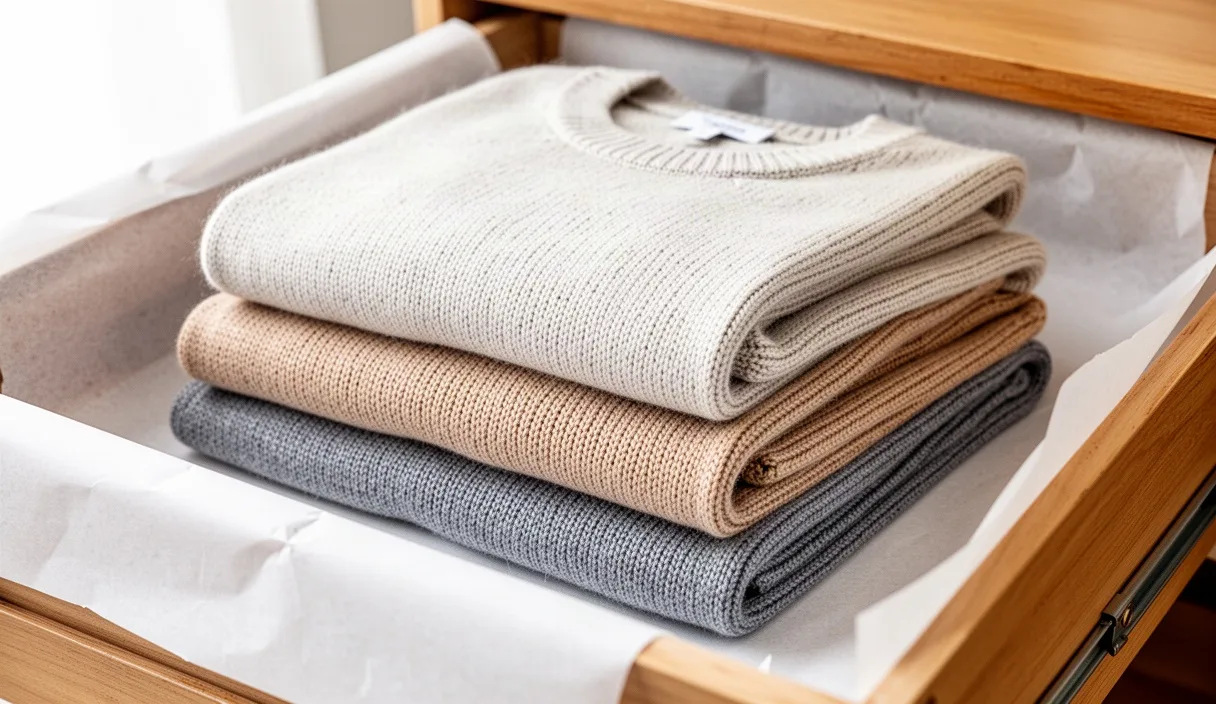
Wool reacts badly to heat and agitation, both of which can cause felting, where the fibers mat together permanently. If you're treating a stain on a wool sweater, use room-temperature water only and press rather than rub.
- Silk: spot test everything, use cool water, blot gently, air dry flat.
- Wool: avoid hot water and scrubbing, which can cause felting.
- Rayon: can shrink or distort with water alone, often safer to take to a professional.
- Suede and leather: most liquid treatments will leave a mark of their own, these usually need a specialist.
If you're not sure what a garment is made of and there's no care label, treat it as delicate until proven otherwise. A small test patch on an inside seam tells you a lot before you commit to treating the visible stain.
Common Mistakes
The most frequent mistake we see is reaching for bleach as a first resort. Bleach can set certain stains, particularly protein-based ones like blood or dairy, and it can permanently discolor fabric that isn't pure white cotton.
Another common error is drying a stained item before confirming it's fully gone. Heat from a dryer can bond whatever's left of the stain to the fibers, making a second treatment far less effective. Always check the spot in good light, ideally natural daylight, before moving to the dryer.
Finally, people often mix cleaning products without realizing some combinations, like bleach and ammonia, create dangerous fumes. Stick to one treatment at a time and rinse thoroughly between attempts.
Next Steps: What to Do Right Now
If you've got a fresh stain sitting on a garment right now, start with cold water and a blotting motion, not a rub. Identify the stain type if you can, oil-based, wine or fruit, grass, or ink, and match it to the steps above rather than grabbing the nearest all-purpose spray.
For fabrics like silk, wool, or anything without a clear care label, do a small spot test before treating the visible stain. It takes an extra two minutes and can save the whole piece.
And if a stain has already set, if it's on a fabric you're unsure about, or if it's a piece with real sentimental or monetary value, a professional cleaner is worth the cost. They have access to solvents and techniques that aren't safe or practical for home use, and they can often address a stain that's been sitting for days or weeks without further damaging the fabric. When in doubt, it's better to ask a professional before you try one more home remedy.